
Deciding to walk away from alcohol is rarely simple. Willpower on its own often falls short, because addiction reshapes not only daily habits but also the way the body reacts to temptation. That is why more and more people across London and beyond look for something that offers real support during the hardest first months of sobriety. One of those options is the alcohol implant, also known as Esperal, Antabuse or simply disulfiram.
What exactly is the Esperal implant?
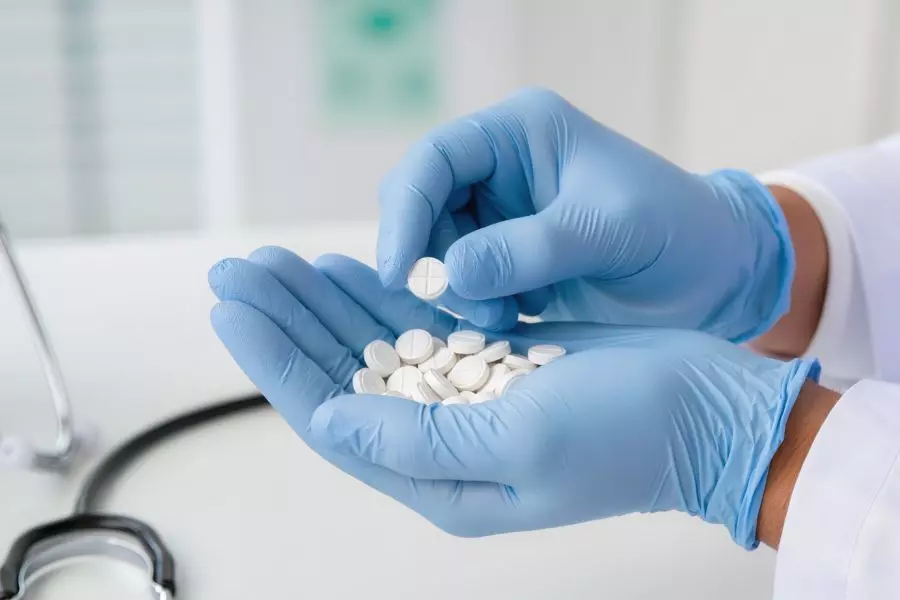
Esperal is a disulfiram based preparation placed under the skin during a short procedure. The substance blocks the way alcohol is broken down in the body, so even a small amount triggers a strong and unpleasant reaction. A full breakdown of the method, pricing and current availability is laid out at www.takecontrolnow.co.uk, the clinic itself is based at 27 Umberston St London E1 1PY, UK, and its exact spot is pinned at https://maps.app.goo.gl/R7hP4shGkegvnANP9, so you can plan the journey before you even book a visit. For many patients, simply knowing that this reaction awaits becomes an effective brake. The implant stays active for up to twelve months, which leaves plenty of room to build new, sober routines. The names Esperal, Antabuse and disulfiram are often used interchangeably, though they all describe the same mechanism.
How does disulfiram work in practice?
The mechanism is simple, yet surprisingly effective. When disulfiram is present in the body and someone reaches for a drink, uncomfortable symptoms appear quickly and discourage any further sips:
- nausea and vomiting
- a racing heartbeat
- facial flushing and a sensation of heat
- shortness of breath and rising anxiety
- a drop in blood pressure and clear weakness
This reaction is entirely intentional. It works like a plain warning signal that helps keep the promise not to drink, even in a weaker moment. That is exactly why alcohol has to be avoided completely for the whole time the implant remains active, including the small amounts hidden in some medicines or dishes. For plenty of people, the mere awareness that a relapse would feel this bad is enough to skip the next glass.

Who is this method for?
The implant works best for those who have already made the decision to change, but need extra protection during moments of doubt. It often helps someone who has tried to quit on their own many times and kept slipping back into old patterns. The conditions are sobriety before the procedure and a medical consultation, during which the specialist rules out any contraindications such as serious heart or liver conditions. It is not a solution for everyone, yet for many people it becomes a genuine turning point. It matters that the decision is truly their own rather than forced by others, because personal commitment is what really drives the outcome.
How long does the implant last and what happens next?
A single procedure provides protection for roughly ten to twelve months, although this can look slightly different from person to person. That window is worth using to settle into life without alcohol and to shape new rituals. When the preparation starts to wear off, some patients choose to repeat the procedure, while others already feel steady enough to keep going on their own. The implant is therefore not a lifelong commitment, but a tool that can be matched to your own pace of recovery.
Is the implant alone enough to stop drinking?
It helps to be honest here. The implant does not cure addiction by itself, but it buys the time and calm needed to work on the deeper issues. The best results come from pairing it with therapy, support from loved ones and a change to the surroundings that once made drinking so easy. So treat it as a solid foundation rather than the whole building. That approach clearly raises the odds of lasting sobriety and a calmer life over the long run.